
Losing a loved one is a profound experience, and cremation offers families a versatile way to preserve their memory. Understanding how to dispose of cremated ashes is an essential part of this journey. This guide explores respectful and meaningful options, answers common questions, and provides inspiration for creating a lasting tribute.
Choosing how to dispose of cremated ashes can be an emotional and symbolic process. From traditional ceremonies to modern innovations, there are numerous ways to honor your loved one’s memory.
Scattering ashes is a timeless and meaningful tradition. It allows families to connect with the memories of their loved one in a setting that feels personal.
Many families find comfort in creating a ritual around scattering, such as reciting a poem, playing a favorite song, or inviting close friends and family to share memories.
Burying cremated remains offers a permanent resting place and an opportunity to create a physical site for reflection and remembrance.
Some families choose to combine burial with other options, such as incorporating ashes into biodegradable containers that grow into trees or flowers. This approach creates a living, ongoing reminder of the person’s legacy.
Turning ashes into keepsakes has grown in popularity as families seek unique ways to carry their loved ones with them.
For those seeking something unconventional, modern technology and creativity offer several innovative ways to honor loved ones.
Choosing the right container for ashes reflects your loved one’s personality and the role you want their memory to play in your life.
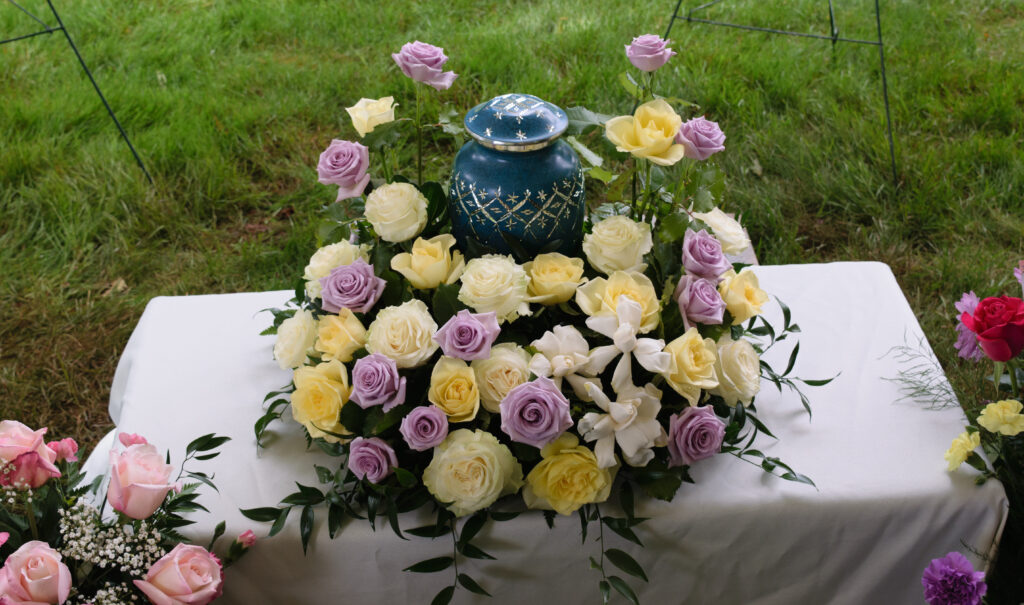
Urns are the most widely used containers for cremated ashes. Available in materials like wood, ceramic, metal, or glass, they come in countless styles, ensuring there’s one to match your loved one’s spirit.
For families who wish to share the ashes among multiple members, smaller keepsake urns are ideal. These are often designed to hold a small portion of the ashes, allowing everyone to have their personal connection to the departed.
Eco-friendly and perfect for scattering ceremonies, biodegradable urns decompose naturally, leaving no environmental footprint. These are often used for water or garden ceremonies, where sustainability aligns with the family’s values.
Crematoriums typically return ashes in a simple, temporary container. While practical, many families choose to transfer the ashes to a more personalized or decorative vessel.
Understanding the longevity of cremated remains helps families plan how and where they’ll keep or distribute the ashes.
Cremated ashes, composed mostly of bone fragments, can last indefinitely if stored properly. They are not organic and thus do not decompose over time, making them a lasting symbol of the loved one’s life.
If ashes are scattered or buried in biodegradable containers, their presence will naturally integrate with the environment. For families seeking a long-term physical tribute, choosing a durable urn stored in a safe location is key.
Families who choose to display urns in their homes should select a dry, stable location. Sealed urns protect ashes from moisture and ensure their integrity for decades or more.
Choosing a meaningful location to scatter ashes is often one of the most personal decisions a family can make.
If your loved one was passionate about travel, consider taking their ashes to a destination they cherished. This act not only honors their memory but allows the family to create a shared, lasting experience.
Sacred locations, such as temples, churches, or cultural landmarks, may also be significant. Be sure to consult local guidelines or authorities when choosing such sites.
Cemeteries and crematoriums often have beautifully maintained gardens specifically for scattering ashes. These spaces are serene and accessible, making them ideal for families who wish to visit regularly.
Deciding how to dispose of cremated ashes is a deeply personal journey, reflecting love, respect, and the unique life of the person you’re honoring. Whether you choose a traditional urn, an eco-friendly burial, or a celebration as extraordinary as a space launch, the key is to find an option that brings comfort and meaning.
At Central Bucks Crematory, we’re here to guide you every step of the way. From selecting the perfect urn to planning a memorial service or scattering ceremony, our compassionate team ensures your loved one’s memory is honored with dignity and care. Contact us to learn more about our personalized cremation services.