
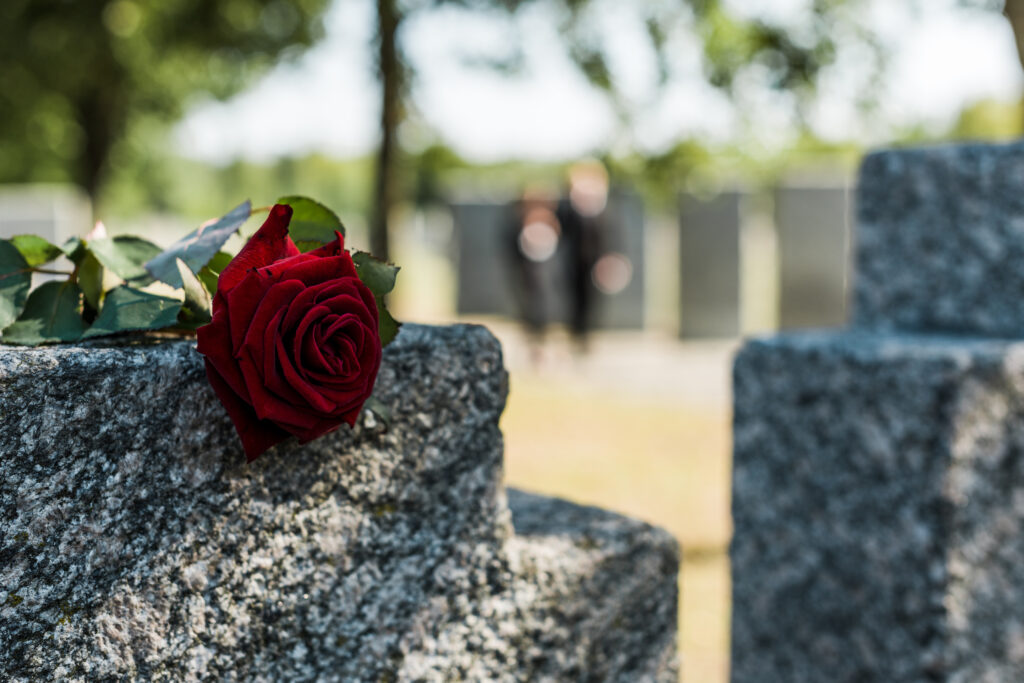
Choosing what to do with cremated remains can feel overwhelming, but burial remains a meaningful option for many families. Burial provides a permanent resting place, an opportunity for a physical memorial, and a space for loved ones to visit. But can cremated remains be buried? Yes, they can—and there are numerous ways and places to consider for this heartfelt decision.
Yes, cremated remains can be buried. This practice offers families a permanent resting place, provides a space for reflection, and honors traditions. Whether in a cemetery, a private garden, or a designated memorial site, burial is a meaningful option for those seeking a lasting tribute to their loved ones.
1. Creating a Permanent Memorial
A burial plot, garden, or niche provides a permanent location where family and friends can visit to honor their loved one. This fixed spot often serves as a focal point for shared memories and collective mourning.
2. Honoring Traditions and Religious Beliefs
For many, burial aligns with cultural or religious practices. Faith traditions such as Catholicism permit the burial of cremated remains in consecrated ground, blending spiritual beliefs with modern preferences.
3. Preserving Family Legacy
Burying remains in a family plot can create a shared space where generations are brought together in memory, fostering a sense of continuity and unity.
Burying cremated remains is a straightforward process, yet it allows for immense personalization. Whether at a traditional cemetery, in a family garden, or a unique memorial site, there are steps to follow:
1. Choosing the Location
Select a cemetery or private land, ensuring you meet local regulations. Some families choose burial plots or cremation gardens at cemeteries, while others create a private space at home.
2. Selecting the Urn or Container
Decide whether to use a biodegradable urn for eco-friendly burial or a more permanent option like marble or metal. These choices often depend on the burial location and family preferences.
3. Planning a Ceremony
Burial of cremated remains can be as formal or informal as desired. Families may hold a graveside service or a small, intimate gathering. Incorporating rituals like readings, prayers, or music can make the event deeply personal.
4. Understanding Costs
Cremation burials are generally less expensive than traditional burials, but costs can vary. Cemetery plots, grave markers, and urns contribute to the total expense. Planning ahead or consulting with a funeral director can provide clarity.
Burial ceremonies for cremated remains can be tailored to reflect the personality and values of the deceased:
Cremated remains don’t have to be buried immediately. Families have several options for keeping or scattering them based on personal preferences and beliefs:
Many families keep remains in a decorative urn at home. It’s a way to feel close to a loved one and creates a tangible link to their memory.
A columbarium is a dedicated space within a cemetery or church, providing secure niches for urns. These spaces are typically marked with plaques, offering a permanent and accessible place for loved ones to visit.
For those seeking a deeply personal keepsake, a portion of the remains can be turned into jewelry or incorporated into keepsakes, such as glass sculptures or lockets.
Some families choose to scatter cremated remains in a meaningful location. Beaches, forests, or designated scattering gardens offer serene options. Be sure to research local guidelines before scattering ashes in public spaces.
At Central Bucks Crematory, we understand that every family’s journey is unique. Whether you’re exploring options to bury cremated remains or create a personalized memorial, we’re here to guide you with compassionate care. Our modern facilities and on-site cremation services ensure dignity and respect every step of the way.