Can You Watch a Cremation? What Families Need to Know
When families begin exploring end-of-life options, one question often comes up quietly, sometimes hesitantly: can you watch a cremation? It’s not just a practical question—it’s an emotional one. For many, the idea of being present brings a sense of closure, while for others, it raises uncertainty about what to expect.
Cremation has become an increasingly chosen option across the United States, yet there’s still a lot of mystery surrounding the process. People wonder what actually happens behind the doors of a crematory, whether it’s possible to witness a cremation, and if being there might help them feel more connected to their loved one’s final moments.
Can You Watch a Cremation?
The question comes up more often than people expect: can you watch a cremation? The answer is yes—in many cases, you can. But like most things surrounding end-of-life services, the details matter. Laws, crematory policies, and even facility design all play a role in whether families can be present.
For some, the ability to witness a cremation offers reassurance. It removes uncertainty and replaces it with transparency. For others, it’s simply about being there—honoring a loved one in a deeply personal way. Let’s walk through what’s legally allowed, what industry standards say, and what you can realistically expect.
Is It Legal to Witness a Cremation in the U.S.?
In the United States, there is no federal law that prohibits families from being present during a cremation.
However, regulations are often handled at the state level, and even then, they tend to focus more on licensing, identification procedures, and operational standards rather than whether someone can be present.
In states like Pennsylvania, where Central Bucks Crematory operates, families are generally allowed to be present—but the crematory must follow strict identification, safety, and procedural guidelines. That means if you’re wondering whether you can watch a cremation, the legal answer is typically yes, as long as the facility can safely accommodate it.
It’s important to understand that legality doesn’t automatically guarantee availability. Think of it like visiting a hospital operating room—there’s no universal law saying you can’t be there, but policies exist to protect everyone involved. Crematories follow a similar approach, balancing transparency with safety and dignity.
The Cremation Association of North America (CANA), one of the leading organizations in the industry, supports transparency and ethical cremation practices. While CANA does not require crematories to allow families to witness a cremation, it does emphasize procedures that build trust—such as proper identification, documentation, and respectful handling.
Many CANA-aligned crematories recognize that allowing families to witness a cremation can be a meaningful part of the grieving process. It provides a sense of certainty—families know exactly when and how the process begins.
Do All Crematories Allow You to Be Present?
This is where the answer becomes more nuanced. Even though people often ask, if they can be present at a cremation, the reality is that not all crematories offer this option.
Some facilities are designed with witness rooms or viewing areas, allowing families to be present in a calm, private setting. Others may allow limited access—such as being present for the beginning of the process but not the entire duration.
And in some cases, crematories may not allow witnesses at all due to:
- Space limitations
- Safety concerns
- Local regulations
- Internal policies
This is why it’s always important to ask upfront. If witnessing the cremation matters to you, choosing a crematory that values openness and communication can make all the difference.
At its core, the question of whether you can watch a cremation isn’t just about rules—it’s about trust. Families want to feel confident that their loved one is being cared for with dignity, and for many, being present is one way to achieve that peace of mind.
Can Family Members Witness a Cremation?
For many families, the question naturally evolves from can you watch a cremation to something more personal: can family members be there together? The answer is often yes—but with a few important considerations that help set expectations.
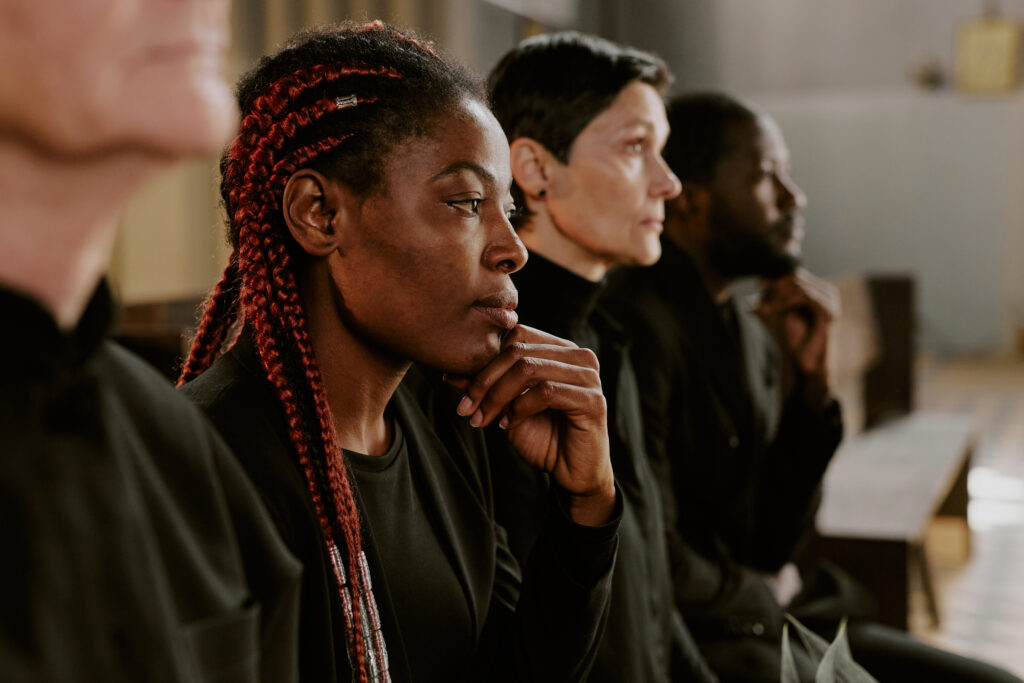
Choosing to witness a cremation is a deeply personal decision. Some families want to share the moment collectively, while others prefer a quieter, more private experience. Understanding who can attend, how many people are allowed, and why families choose this option can help you decide what feels right.
Who Is Allowed to Witness a Cremation
In most cases, the people allowed to witness a cremation are immediate family members or individuals authorized by the next of kin. This typically includes spouses, children, siblings, or those legally responsible for making final arrangements.
Crematories follow strict identification and authorization procedures before allowing anyone to be present. This ensures that everything is handled respectfully and that the wishes of the family are honored. So if you’re wondering if you can be present at a cremation, the answer depends partly on your relationship to the deceased and your role in the arrangements.
There are also situations where close friends or spiritual advisors may be included, especially if the family requests it. Think of it less like a public event and more like a private, meaningful moment—attendance is intentional and carefully guided.
How Many People Can Be Present at a Cremation
While families often ask can you watch a cremation together, the number of people who can attend is usually limited.
Most crematories allow anywhere from 2 to 10 individuals, depending on:
- The size of the facility
- Safety regulations
- The layout of the viewing or witness area
Some locations have dedicated witness rooms designed to comfortably accommodate small groups, while others may only allow a few individuals at a time. This isn’t meant to exclude anyone—it’s about maintaining a safe, controlled, and respectful environment.
If you’re planning for multiple family members to be present, it’s always best to discuss this in advance. That way, there are no surprises, and everyone understands what to expect.
Why Some Families Choose to Witness a Cremation
The decision to witness a cremation often comes from a desire for closure, clarity, and connection.
For some, it removes uncertainty. Instead of wondering what happens behind closed doors, they see the beginning of the process with their own eyes. It can feel similar to attending a burial—being present provides a sense of completion.
Others choose this path for cultural or religious reasons. In certain traditions, being present is an important part of honoring the deceased. It becomes a final act of care, a way of saying goodbye with intention.
And then there are families who simply want reassurance. When people ask, can you watch a cremation, what they’re often really asking is:
“Will I know my loved one was treated with dignity?”
Being present can answer that question in a powerful way.
How the Cremation Process Works When You Are Present
If you’ve been asking yourself, can you watch a cremation, you’re probably also wondering what that experience actually looks like in real life. What happens? What will you see? And will it feel overwhelming?
The truth is, a witnessed cremation is handled with care, structure, and deep respect. Nothing is rushed, and nothing is left unclear. When families choose to witness a cremation, crematory staff take extra time to guide them through each step so there are no surprises.
Think of it less like observing a procedure and more like being part of a quiet, final farewell.
Step 1: Arrival and Identification
When you arrive, you’re welcomed into a private space—often called a witness room or viewing area. Before anything begins, the crematory staff will walk you through the identification process.
This step is essential and reassuring. You’ll see:
- The container or casket
- The identification tag that stays with your loved one throughout the entire process
This is one of the reasons families ask, can you watch a cremation—because they want certainty. This moment provides that. It confirms that everything is correct, documented, and handled with transparency.
Staff will also explain what will happen next, giving you time to ask questions or simply pause.
Step 2: The Viewing and Final Goodbye
Before the cremation begins, families are given time for a final moment of reflection. Depending on the crematory and the family’s wishes, this can be:
- A quiet moment in silence
- A short prayer or reading
- A chance to say goodbye in your own way
If you’re wondering can you be present at a cremation without feeling rushed or overwhelmed, this is where the experience becomes deeply personal. There’s no pressure—just space to process the moment.
Some families describe this as similar to a graveside service. It’s simple, intimate, and meaningful.
Step 3: The Beginning of the Cremation Process
When the family is ready, the crematory operator begins the process. This typically involves the placement of the container into the cremation chamber.
In a witnessed setting, this step is handled with the utmost dignity. Depending on the facility, families may:
- Observe the placement from a viewing area
- Be present in the room at a safe distance
- Or, in some cases, initiate the process symbolically (such as pressing a button, if permitted)
This is often the moment people are thinking about when they ask, can you watch a cremation. It’s important to know that what you see is controlled, respectful, and not graphic.
After the placement, most families choose not to stay for the entire process, which can take a few hours. Instead, they witness the beginning—the most meaningful part.
Step 4: What Happens During the Cremation
Once the process begins, the cremation chamber is closed, and the transformation takes place over time. While families are usually not present for the full duration, staff remain attentive throughout, ensuring everything is handled properly.
For those who choose to witness a cremation, understanding this step can bring peace of mind. The process is:
- Carefully monitored
- Conducted according to strict procedures
- Focused on dignity at every stage
There’s no chaos or uncertainty—just a structured, respectful process carried out by trained professionals.
Being present doesn’t mean witnessing every second. It means being there for the moment that matters most—the transition, the goodbye, the confirmation that your loved one is in caring hands.
What Happens After a Witness Cremation?
After families find their answer to can you watch a cremation and choose to be present, another question naturally follows: what happens next?
The moments after a witnessed cremation are often quieter, more reflective. While the beginning of the process brings a sense of closure, what comes afterward provides continuity—helping families move forward while still honoring their loved one.
The Completion of the Cremation Process
Once the cremation has begun, the full process typically takes a few hours. Even if you don’t remain for the entire duration, it’s important to know that everything continues under careful supervision.
After the process is complete, the remains are:
- Allowed to cool properly
- Carefully removed from the cremation chamber
- Processed into what we commonly refer to as ashes
For families who choose to witness a cremation, this behind-the-scenes care is just as important as the moment they were present. Every step is handled with precision and respect.
How Remains Are Handled with Dignity
One of the biggest concerns families have—whether or not they witness a cremation—is how their loved one is treated afterward.
Crematories follow strict identification protocols throughout the entire process. This means your loved one is:
- Tracked from beginning to end
- Never comingled with others
- Returned to you with complete accuracy
Think of it like a continuous chain of custody—designed to ensure peace of mind. For many families, knowing this brings a deep sense of reassurance.
When Families Receive the Ashes
After the cremation is complete and the remains’ ashes have been prepared, families are typically notified when everything is ready.
This can happen:
- Within a few days
- Sometimes sooner, depending on the crematory’s process
The ashes are placed in either:
- A temporary container
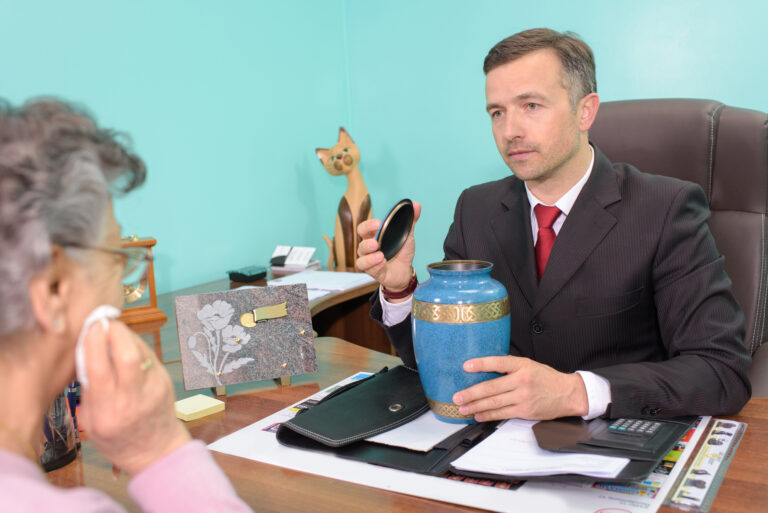
- Or an urn selected by the family
If you’ve been asking if you can be present at a cremation, it’s helpful to know that while you may not be there for this final stage, the same level of care continues through to the return of the remains.
Options for What Comes Next
Receiving the ashes opens the door to a variety of meaningful choices. There’s no single “right” way to proceed—only what feels right for you and your family.
Some common options include:
- Holding a memorial service
- Keeping the urn in a special place at home
- Scattering the ashes in a meaningful location
- Placing them in a columbarium or burial site
For families who were present at the beginning, this next step often feels like a natural continuation of the goodbye. They’ve seen the process start, and now they can decide how to honor what comes after.
Are There Reasons You May Not Be Allowed to Watch a Cremation?
By now, you might feel more confident about the answer to can you watch a cremation—but it’s also important to understand that there are situations where the answer may be no.
Even though many families can witness a cremation, certain limitations can affect whether you’re able to be present. These aren’t meant to create barriers—they exist to ensure safety, compliance, and respect for everyone involved.
Here are the most common reasons:
- Safety and Facility Limitations
Not all crematories are designed with viewing areas. Some facilities simply don’t have the physical space to safely accommodate family members. Cremation equipment also operates at extremely high temperatures, so maintaining a controlled environment is essential. - State and Local Regulations
While there’s no broad federal restriction, local or state guidelines can influence what’s allowed. Some areas may have stricter rules about public access within cremation facilities, which can impact whether you can be present. - Crematory Policies You Should Know
Each crematory has its own policies based on its setup, staffing, and approach to services. Some may allow a full witness cremation, others may limit access to the beginning of the process, and a few may not offer this option at all.
Even if you’re asking, can you be present at a cremation, the best step is always to ask the crematory directly. Clear communication ensures there are no surprises and helps you choose a provider that aligns with your needs.
How to Arrange a Witness Cremation at Central Bucks Crematory
If you’ve been asking can you watch a cremation, the most important step is choosing a crematory that values transparency, compassion, and clear communication.
At Central Bucks Crematory, we understand that families who want to witness a cremation are often looking for peace of mind. They want to know what’s happening, feel confident in the process, and be present in a way that feels meaningful—not overwhelming.
We take the time to walk you through everything ahead of time. If you’re wondering can you be present at a cremation, we’ll explain exactly what’s possible, what to expect, and how we can accommodate your wishes in a safe and respectful environment.
Our team is here to support families throughout Doylestown and the surrounding Bucks and Montgomery County communities, offering guidance every step of the way. Whether you’re planning ahead or navigating a recent loss, we’re available to answer your questions with honesty and care.
If witnessing the cremation is important to you, we encourage you to reach out directly. Every situation is unique, and a quick conversation can give you the clarity you need.
Call us today to learn more about our policies and how we can help:
(267) 952-6762
Visit us at:
Central Bucks Crematory
344 N Main St Suite – C
Doylestown, PA 18901
We’re here to help you make informed decisions—so you can focus on what truly matters: honoring your loved one in the way that feels right to you.