How Are Ashes Prepared After Cremation and Given to Families?

When families begin asking “how are ashes prepared after cremation?”, the question often comes from a place of quiet curiosity—and sometimes concern. It’s not just about the process. It’s about trust, care, and understanding what truly happens behind the scenes before a loved one is returned home.
Cremation today is a thoughtful, carefully managed process, but many people are surprised to learn that what we call “ashes” are not exactly what they imagine. The cremated remains process involves several precise steps, each handled with respect and attention to detail. From the moment the cremation is complete to the point when families receive their loved one’s remains, every stage matters.
How Are Ashes Prepared After Cremation? (Step-by-Step Process)
Understanding how ashes are prepared after cremation can bring a sense of clarity during a time that often feels uncertain. While many imagine ashes as something simple, the reality is that the process is thoughtful, structured, and handled with great care from beginning to end.
Think of it like a carefully guided journey. Each step in the cremated remains process ensures that your loved one is treated with dignity and that what is returned to you is handled properly, respectfully, and accurately.
Let’s walk through what actually happens.
What Happens Immediately After Cremation Ends
Once the cremation process is complete, the environment inside the cremation chamber is allowed to cool before anything further is done. This step is essential—not just for safety, but also to ensure that the remains can be handled with care and precision.
At this stage, what remains are primarily bone fragments. Contrary to what many people believe, cremation does not turn the body into soft, powdery ashes right away. Instead, it leaves behind solid, fragile pieces that will later be processed.
Professionals overseeing cremation services follow strict procedures to make sure everything is done respectfully. Each individual is tracked through a secure identification system, which stays with them throughout the entire process.
How Remaining Bone Fragments Are Carefully Collected
After cooling, the remaining bone fragments are gently and methodically collected from the cremation chamber. This is not rushed or automated in a careless way—trained professionals perform this step with intention and respect.
Any materials that are not part of the remains, such as medical implants or metal fragments, are carefully separated. These are typically removed using specialized tools, including magnets, to ensure only the appropriate remains move forward in the process.
This stage of the cremated remains process is about precision. Every effort is made to gather all remains, reinforcing a key concern many families have: completeness.
If you’ve ever wondered how are ashes prepared after cremation in a way that ensures nothing is lost, this step is where that reassurance begins. The process is designed so that what is collected truly represents your loved one.
The Cremated Remains Process: How Ashes Are Processed into Fine Particles
Once the bone fragments are collected, they are placed into a specialized machine called a cremulator. This is where the transformation into what we commonly call “ashes” takes place.
The cremulator gently processes the fragments into a finer, more uniform consistency. The result is a texture similar to coarse sand rather than soft powder. The color is typically light gray or white, though it can vary slightly depending on natural factors like bone density.
It’s also worth noting that this part of the cremated remains process is handled individually. Each set of remains is processed separately to maintain identity and integrity—something reputable cremation services take very seriously.
Quality Checks and Identification Procedures
One of the most important—and often overlooked—parts of the process is identification and verification.
Throughout every stage, a unique identification tag accompanies the individual. Before, during, and after cremation, this tag ensures that the remains are properly tracked. After processing, professionals double-check all identification details before moving forward.
This is a critical answer to a common concern: accuracy.
Reputable providers follow industry standards and best practices, often guided by organizations like the Cremation Association of North America (CANA). These guidelines help ensure that every step is handled with accountability and transparency.
Placing Ashes into a Temporary Container or Urn
Once the remains have been processed and verified, they are carefully placed into a container. In many cases, this begins with a temporary container provided as part of standard cremation services.
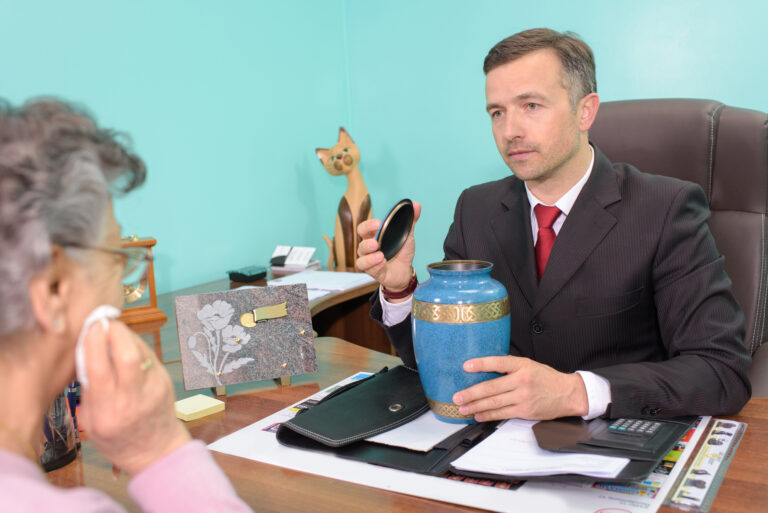
If a family has selected an urn, the ashes are transferred into it with care. Otherwise, the temporary container is designed to securely hold the remains until a permanent choice is made.
This final step completes the journey of how ashes are prepared after cremation. What began as a complex, multi-stage process now becomes something tangible—a physical way for families to honor, remember, and keep their loved one close.
The container is then prepared for return to the family, along with any necessary documentation, marking the transition from professional care back into the hands of those who matter most.
What Do Ashes Look Like After Cremation?
The truth is, they don’t look quite like what most people expect.
Instead of a soft, powdery substance like fireplace ash, cremated remains have a texture more similar to coarse sand. This is because of the cremated remains process, where bone fragments are carefully processed into smaller, uniform particles rather than burned into dust.
Color, Texture, and Weight
Cremated remains are typically:
- Light gray to white in color, sometimes with subtle variations
- Grainy in texture, similar to fine gravel or sand
- Heavier than expected, usually ranging between 3 to 7 pounds for an adult
A helpful way to picture it is this: if you were to hold a small handful, it would feel more like tiny pebbles than soft powder. This often surprises families, but it’s completely normal.
The color can vary slightly depending on natural factors like bone density and even mineral content. But regardless of appearance, the way the ashes look is a direct result of how they are respectfully handled during the preparation process.
Helping Set Clear Expectations
Understanding this part of how ashes are prepared after cremation helps remove uncertainty. Families sometimes worry when the ashes don’t match what they imagined, but knowing what to expect ahead of time can make the experience feel more grounded and less overwhelming.
It also reinforces something important: these remains have gone through a careful, structured process. They are not random or altered—they are simply the natural result of the cremation and processing steps handled by trained professionals.
Reputable cremation services will always be transparent about this, helping families feel informed and reassured rather than surprised.
How Are Ashes Returned to Families?
After learning how ashes are prepared after cremation, the next question naturally becomes: how do they make their way back to the family?
This part of the journey is just as important as the preparation itself. It’s where professional care transitions into personal remembrance.
Who Is Responsible for Returning the Ashes
Typically, the funeral home or crematory that handled the arrangements is responsible for returning the remains. Families either pick them up in person or, in some cases, arrange for delivery.
At trusted providers, this is never treated as a routine handoff. It’s handled with sensitivity, understanding that this moment carries emotional weight.
The same attention to detail seen throughout the cremated remains process continues here. Identification is verified again before release, ensuring everything is accurate and secure.
How Long It Takes to Receive Cremated Remains
The timeline can vary slightly, but most families receive the ashes within several days to about a week after cremation.
This timeframe allows for:
- Proper cooling
- Careful processing
- Completion of all documentation
- Final quality checks
According to the Cremation Association of North America (CANA), the return of cremated remains involves multiple steps beyond the cremation itself, including cooling, processing, and verification procedures to ensure accuracy and dignity throughout the process.
While some may expect it to happen immediately, this short waiting period ensures that every step in ashes preparation after cremation is handled correctly and with care—not rushed.
What Families Receive (Urn, Paperwork, etc.)
When the ashes are returned, families typically receive:
- The cremated remains in a container or urn
- A certificate of cremation
- Any required permits or documentation
Some cremation services may also provide guidance on next steps, whether that’s memorial planning, scattering options, or keepsakes.
Think of this moment as more than a transaction—it’s a transition. What was once handled by professionals is now entrusted back to the family, ready to be honored in a personal and meaningful way.
What Types of Containers Can Hold Cremated Remains?
After understanding how ashes are prepared after cremation, many families begin thinking about where those ashes will be placed. The container you choose can reflect personality, tradition, or simply what feels right for your family.
There’s no single “correct” option—only what best honors your loved one.
Standard Temporary Containers
Most cremation services provide a temporary container as part of the process. These are simple, durable, and designed to securely hold the remains until a permanent decision is made.
They’re a practical starting point, especially if families need time to consider their options.
Urns (Materials, Styles, Personalization)
Urns are the most common choice for long-term placement. They come in a wide range of materials and styles, including:
- Wood for a warm, natural feel
- Metal for durability and elegance
- Ceramic or glass for artistic expression
- Biodegradable options for eco-conscious families
Many urns can also be personalized with engravings, names, or dates—turning them into a lasting tribute.
Choosing an urn often becomes part of the healing process. It’s a way to create something tangible that reflects a life lived.
Keepsake Jewelry and Mini Urns
For families who want to share or keep a small portion of the remains, keepsake options are available.
These include:
- Mini urns
- Jewelry pieces like pendants or bracelets
They allow multiple family members to hold onto a part of their loved one, offering comfort in a very personal way.
Do You Receive All the Ashes After Cremation?
This is one of the most important—and most sensitive—questions families ask.
The answer is yes.
Families receive all of the cremated remains that are recoverable after the process. There is no mixing, and there is no sharing of remains between individuals. Professional crematories follow strict procedures to ensure complete separation and accurate identification at every stage.
Throughout the entire cremated remains process, your loved one is carefully tracked using identification systems that stay with them from beginning to end. These safeguards are not optional—they are standard practice.
Choosing Compassionate Cremation Services in Bucks County
Understanding how are ashes prepared after cremation is only part of the journey. Choosing the right provider ensures that every step is handled with care, transparency, and respect.
At Central Bucks Crematory, we take that responsibility seriously. Located in Doylestown, we proudly serve families across Bucks and Montgomery Counties with compassionate, professional cremation services.
We believe families deserve clear answers, gentle guidance, and complete confidence in the care their loved one receives.
If you have questions about the process, timelines, or your options, we’re here to help.
Central Bucks Crematory
344 N Main St Suite – C
Doylestown, PA 18901
Reach out to us anytime to learn more about our policies, our process, and how we can support you and your family during this time.