
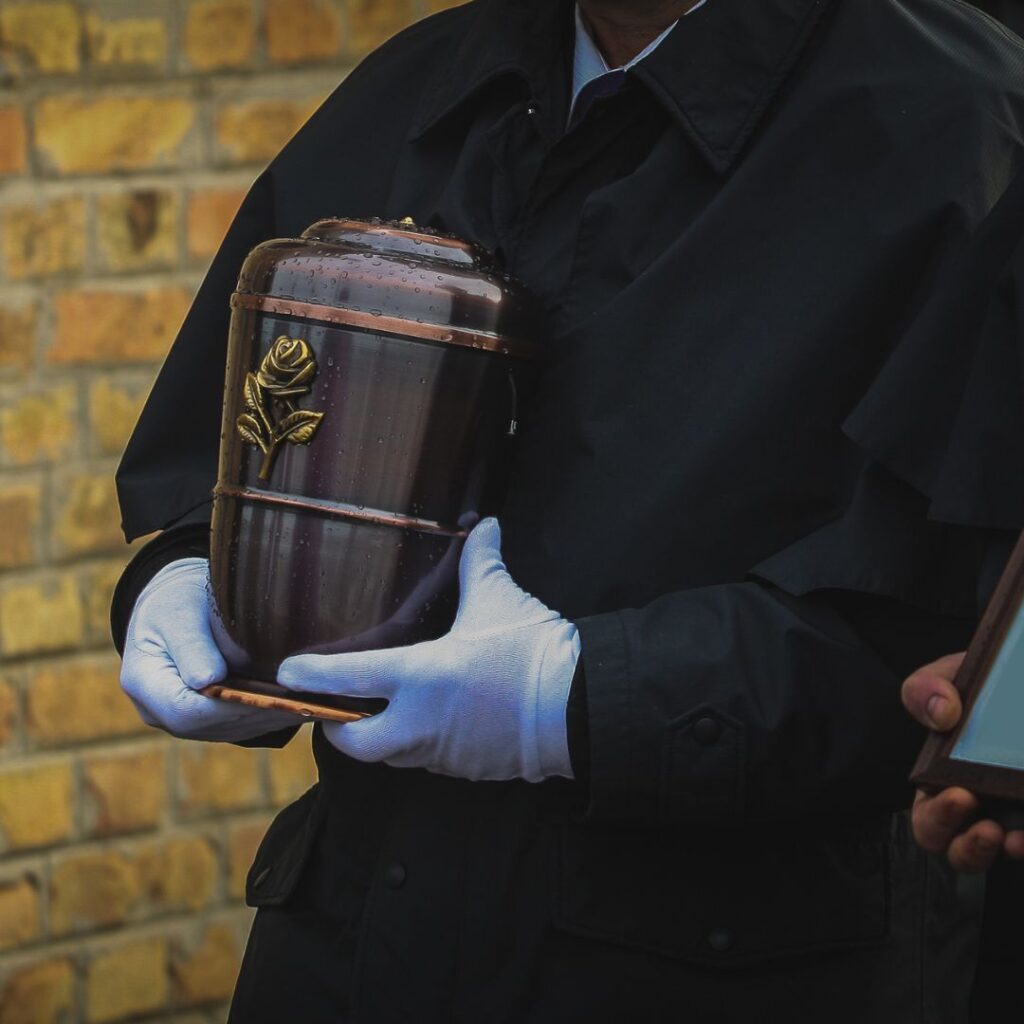
Transporting the ashes of a loved one can feel like carrying the weight of memory through time and space. For many families, traveling with cremated remains isn’t just about logistics—it’s a deeply personal act. Whether you’re heading to a final resting place or planning a memorial in another state or country, it’s essential to understand TSA urn requirements so your travel day goes as smoothly as possible.
In this article, we’ll cover everything you need to know about flying with cremated remains, including what types of urns are TSA-approved, what to expect at airport security, and how to avoid common mistakes.
A TSA-approved urn isn’t an official product you can buy. Instead, the term refers to urns made from materials that meet Transportation Security Administration (TSA) guidelines. TSA agents are not allowed to open any urns during the screening process, even if you give them permission. That’s why the urn you choose must be scannable by X-ray machines.
The TSA needs to clearly see the contents of the container without opening it. If they cannot see through the material, the urn won’t be allowed through security—leaving you with very few options, especially if you’re already at the airport.
Imagine being at the gate with an urn in hand, only to be told you can’t board. That’s why the right urn—made of the right material—is more than just a recommendation. It’s a necessity.
Let’s get into the specifics of TSA urn requirements so you don’t run into problems on the day of travel. The rules are clearly outlined by the TSA and echoed by most major airlines.
Here are the key requirements:
TSA agents are trained to treat urns with dignity and respect, but rules are rules. If an urn cannot be properly scanned, it will not fly.
Choosing the right urn is crucial. The best materials for meeting TSA urn requirements are those that are lightweight, durable, and—most importantly—scannable.
Here’s a breakdown of materials and whether they pass TSA’s X-ray screening:
If your permanent urn is made from metal or stone, consider transporting the ashes in a TSA-approved temporary container. Once you’ve reached your destination, you can transfer them into the display urn.
When you arrive at the airport, you’ll go through standard security. Here’s how the process works for travelers carrying cremated remains:
If the urn doesn’t pass the X-ray test, you won’t be allowed to take it through security. You’ll have to either check with your airline about shipping options or return the urn home.
That’s why checking the urn’s material ahead of time is non-negotiable. It’s the single most important part of meeting TSA urn requirements.
Traveling with cremated remains doesn’t have to be stressful if you plan ahead. Here are some practical tips to make your journey smoother:
These steps help ensure that you’re not held up at security, and that your loved one’s remains are treated with the dignity they deserve.
Even well-meaning travelers can make critical errors when it comes to urn transportation. Here are the most common mistakes—and how to avoid them:
This is not only risky (lost luggage is still a thing) but also violates airline and TSA rules.
Metal urns are a beautiful choice for display but nearly impossible to scan. Always use a TSA-compliant temporary urn.
Dealing with cremated remains takes a little extra time. Give yourself at least an extra 30 minutes beyond what you normally would.
If you’re flying internationally, research the destination country’s customs and burial regulations. Some countries require specific permits for entry.
Avoiding these mistakes can spare you delays, extra costs, or—worse—being forced to leave the urn behind.
Traveling with cremated remains can be emotional, but preparation turns stress into peace of mind. TSA urn requirements aren’t designed to be difficult—they’re in place to protect all passengers while showing respect for your loved one.
Whether you choose a wood urn, a biodegradable container, or a simple plastic box, the key is making sure it passes the X-ray scan. If you’re unsure about the urn you already have, call your crematory or funeral director. At Central Bucks Crematory, we routinely help families select urns that are TSA-compliant and suitable for air travel.
You don’t have to navigate this alone. From choosing the right urn to preparing the proper documentation, help is available every step of the way. By understanding TSA urn requirements and planning ahead, you’ll ensure your journey honors your loved one—and their final wishes—without disruption.