
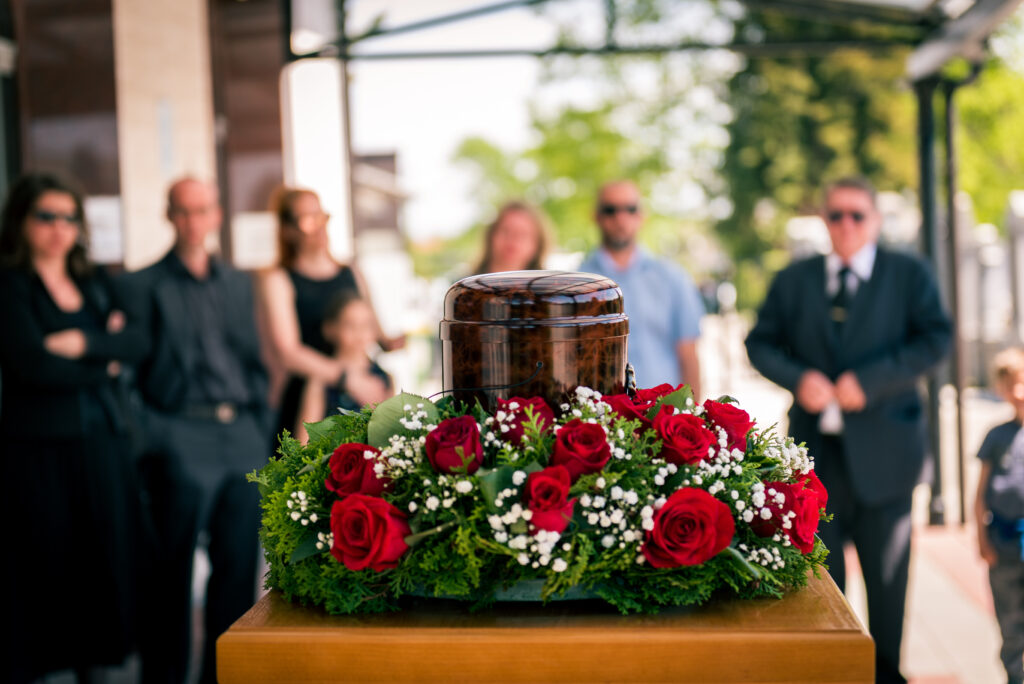
When faced with end-of-life decisions, one of the most significant choices families make is between cremation and traditional burial. This decision is deeply personal, often influenced by cultural, emotional, financial, and environmental considerations. In recent years, cremation has become increasingly popular, but traditional burial remains a meaningful choice for many. So, cremation vs traditional burial: which is better? Let’s explore the reasons behind each option, their pros and cons, and the costs associated to help families make an informed decision.
Cremation has steadily gained acceptance over the past few decades, particularly as societal and cultural attitudes toward death have shifted. For many, it offers a modern, flexible, and affordable alternative to burial.
Cremation is often viewed as more environmentally friendly than traditional burial, which requires embalming chemicals, caskets, and land usage for burial plots. While cremation does release carbon emissions, it eliminates the need for land space, which resonates with individuals concerned about sustainability.
Affordability is a major factor in the rising popularity of cremation. Compared to the expenses of caskets, burial plots, and headstones, cremation provides a more budget-conscious solution without compromising dignity.
Cremation allows families greater flexibility when it comes to honoring their loved ones. Ashes can be scattered in a meaningful location, kept in an urn at home, or divided into keepsakes for family members. This adaptability ensures that loved ones are remembered in ways that feel personal and meaningful.
While some religions historically opposed cremation, many have evolved their perspectives. For example, the Catholic Church permits cremation as long as it aligns with the faith’s respect for the body.
Today’s families often live further apart, making traditional burial logistics challenging. Cremation simplifies the process, offering a practical choice for modern lifestyles.
Take, for example, a family with members scattered across the country. With cremation, loved ones can gather for a memorial at a more convenient time and place, offering flexibility that traditional burial doesn’t always provide.
To decide cremation vs traditional burial: which is better, it’s important to weigh the benefits and drawbacks of each option.
To illustrate, consider this: A family choosing traditional burial must often make quick decisions about plot locations, headstone designs, and funeral arrangements, all while managing overwhelming grief. In contrast, cremation can ease this burden by allowing time for careful planning.
Understanding the financial differences between cremation and burial can help families make practical, informed choices.
The cost of cremation varies, but it is typically far less than burial. On average, cremation costs range between $1,000 and $3,000, depending on services chosen. Direct cremation—without a formal ceremony or embalming—is the most cost-effective option.
Additional expenses might include:
Cremation offers flexibility to control costs while still creating a meaningful tribute.
The costs of a traditional burial can add up quickly, averaging $7,000 to $12,000 or more. Expenses include:
While traditional burial provides a permanent resting place, the expenses can strain families who may already be navigating financial stress.
So, cremation vs traditional burial: which is better? The answer ultimately depends on your personal beliefs, budget, and preferences. For families seeking affordability, flexibility, and environmental consciousness, cremation often emerges as the better option. On the other hand, those valuing tradition, a physical resting place, and religious customs may find comfort in traditional burial.
Choosing between cremation and burial is one of life’s most profound decisions, requiring thoughtful consideration of personal, financial, and cultural factors. At Central Bucks Crematory, we provide compassionate, professional guidance to help families navigate this choice with dignity and respect.
Whether you’re considering the affordability and flexibility of cremation or the timeless tradition of burial, the most important factor is honoring your loved one in a way that feels meaningful. To learn more about our services, or to discuss your options with our caring team, contact us today.